15 Essential Steps to Build a WordPress Website (Even If You’re Not Tech-Savvy)

Share this Article on

Table of Contents

In the world of digital-first businesses, your website is often the first impression people get of your brand. Whether you’re a startup, a local business, or a solo creator looking to scale up, having a professional, functional website is no longer optional—it’s essential. And when it comes to building websites, WordPress stands out as the most trusted, flexible, and widely-used platform across the globe.

In fact, WordPress powers over 40% of all websites on the internet. That’s not a coincidence—it’s a reflection of how easy it is to use, how customizable it can be, and how future-proof it is as your business grows. With thousands of free themes, plugins, and integrations, WordPress gives you the freedom to design a website that fits your exact needs—whether it’s a portfolio, an e-commerce store, a blog, or a fully custom solution.

That said, we get it—not everyone has the time or tech skills to learn hosting setup, DNS configuration, plugin installs, and design tweaks.
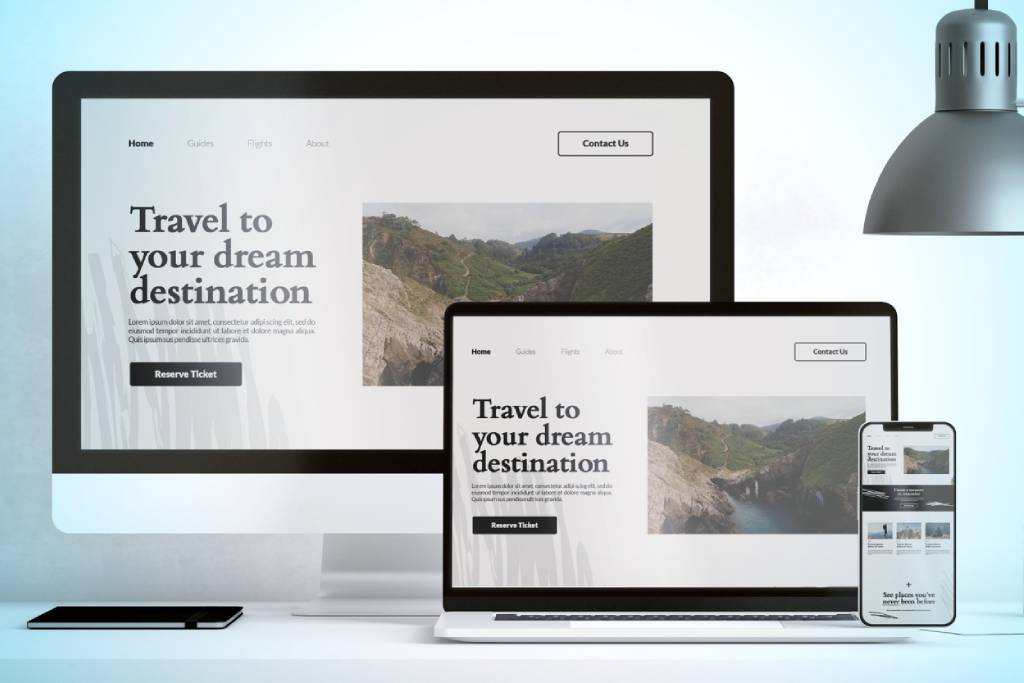
WordPress Website

IMAGE CREDITS: FREEPIK

Overwhelmed by the tech side of building a wordpress website? Let us handle it for you.

At Webto, we specialize in building WordPress websites from the ground up—so you don’t have to stress about any of the complicated stuff. From helping you register your domain name and picking the right hosting, to installing WordPress, choosing essential plugins, and even setting up a backend dashboard tailored to your business—we take care of it all.

Our service includes:

  • Complete website setup tailored to your business
  • Professional theme installation and page design
  • Security and performance optimization
  • Tech support when you need help
  • Optional annual maintenance plans to keep things running smoothly

You focus on what you do best—running your business—and we’ll make sure your online presence reflects that professionalism.
domain name for wordpress website

IMAGE CREDITS: FREEPIK

Step 1: Get a Domain Name

Your domain name is the front door to your brand online. It’s what users will type in to find you, and it forms the foundation of your website’s identity. Whether you’re building a portfolio, a business site, or an online store, the right domain name can influence how memorable, trustworthy, and professional your brand appears.

Why Your Domain Name Matters:

  • First Impressions Count: Your domain is often the first thing people see. A clean, relevant name sets the tone.
  • Brand Consistency: A well-matched domain reinforces your business name and increases brand recognition.
  • SEO Benefits: While it’s not a silver bullet, having a relevant keyword in your domain name can give you a small SEO edge.

Tips for Brainstorming the Right Domain Name:

  • Keep it short and simple – Aim for 2-3 words, avoid complex spellings.
  • Avoid hyphens and numbers – These make it harder for people to remember or type your domain correctly.
  • Use keywords smartly – If you’re a bakery in Mumbai, something like MumbaiBakes.com might help with local SEO.
  • Check availability across platforms – Try to get matching social media handles too.
  • Make sure it’s brandable – Your domain should sound like a brand, not just a collection of keywords.
  • Check for trademarks – You don’t want legal trouble after your site goes live. Use this search for Indian trademarks or USPTO if targeting US.

Recommended Domain Registrar: Namecheap

We personally use and recommend Namecheap because:

  • It’s super affordable (starting as low as ₹500/year)
  • It includes free WHOIS privacy protection
  • Free SSL certificate and DNS management
  • Clean, easy-to-use dashboard for managing your domains
  • Top-notch customer support

Get your domain name on Namecheap now »

Websie hosting Services

IMAGE CREDITS: FREEPIK

Step 2: Purchase Hosting

After locking in your domain name, the next critical piece of your wordpress website setup is hosting. Think of hosting as the space where your website lives. It stores all your files, media, and data, and delivers your content to visitors when they type in your domain name.

But not all hosting is created equal—and choosing the wrong type can result in slow performance, security risks, and downtime that drives visitors away.

Shared Hosting vs Managed Hosting: What’s Right for You?

Shared Hosting
Perfect for beginners and smaller websites, shared hosting means your site is placed on a server with other websites. It’s budget-friendly and requires minimal technical knowledge. However, your site shares server resources—so if one site gets a traffic spike, others may slow down.

Managed WordPress Hosting
This is tailored specifically for WordPress sites. It includes automatic updates, backups, better performance, and WordPress-optimized servers. While it costs more than shared hosting, it’s ideal for serious creators, bloggers, or business owners who want hassle-free speed and security.

Recommendation: Start with shared hosting if you’re on a tight budget, but opt for managed WordPress hosting if you want better performance and fewer technical worries.

Hosting Features You Should Never Compromise On:

  • Server Location: Choose a hosting provider that offers servers close to your target audience. Faster server response times = better UX and SEO.
  • Uptime Guarantee: Look for hosts with a 99.9% uptime promise—downtime can cost you visitors and trust.
  • Speed & Caching: A faster website keeps users engaged. SSD storage, CDN support, and caching tools make a huge difference.
  • Security: Your hosting should offer firewalls, malware scanning, DDoS protection, and free SSL certificates.
  • Tech Support: 24/7 customer service is a lifesaver when things go wrong.

Our Top Hosting Picks: InMotion Hosting vs HostGator

Not sure which host to choose? We’ve narrowed it down to two solid, beginner-friendly options that we’ve personally vetted—and both work great with WordPress. Here’s a quick breakdown to help you decide:

InMotion Hosting

InMotion Hosting strikes a perfect balance between performance, features, and excellent support.

  • Ultra-fast SSD servers for quicker load times
  • Free SSL certificate, hack protection, and auto backups
  • 24/7 US-based support
  • Free website migration
  • Offers both Shared and Managed WordPress hosting

Check InMotion Hosting Plans »

HostGator

HostGator is a go-to favorite for millions of website owners—and for good reason.

  • Very beginner-friendly with one-click WordPress installs
  • Unmetered bandwidth and free domain (for the first year)
  • Free SSL and built-in website builder
  • 24/7/365 customer support
  • Affordable monthly plans starting super low

Explore HostGator Hosting Deals »

Our Take:

If you’re looking for premium speed and robust support, go with InMotion Hosting. If budget is a top concern and you’re just getting started, HostGator is a dependable choice.

Step 3: Connect Your Domain to Your Hosting

Now that you’ve got both your domain and hosting sorted, it’s time to make them talk to each other—literally. This step is all about updating your domain’s nameservers, which tells the internet where your website lives.

If you purchased your domain from Namecheap and hosting from InMotion or HostGator, here’s how to link them up:

How to Update Nameservers on Namecheap:

  1. Log in to your Namecheap (or domain manager) Dashboard.
  2. Go to Domain List on the left sidebar.
  3. Click Manage next to the domain you want to connect.
  4. Scroll to the Nameservers section.
  5. Choose Custom DNS from the dropdown.
  6. Now enter the nameservers provided by your hosting provider:
    • InMotion Hosting:
      • ns1.inmotionhosting.com
      • ns2.inmotionhosting.com
    • HostGator (Shared Hosting):
      • Usually looks like nsXXXX.hostgator.com – you’ll find this info in your welcome email or dashboard.
  7. Hit Save. DNS changes can take anywhere from a few minutes to 24 hours to fully propagate across the web.

Pro Tip:

You only need to update your nameservers once per domain. After that, any hosting you assign to that domain will automatically take effect.
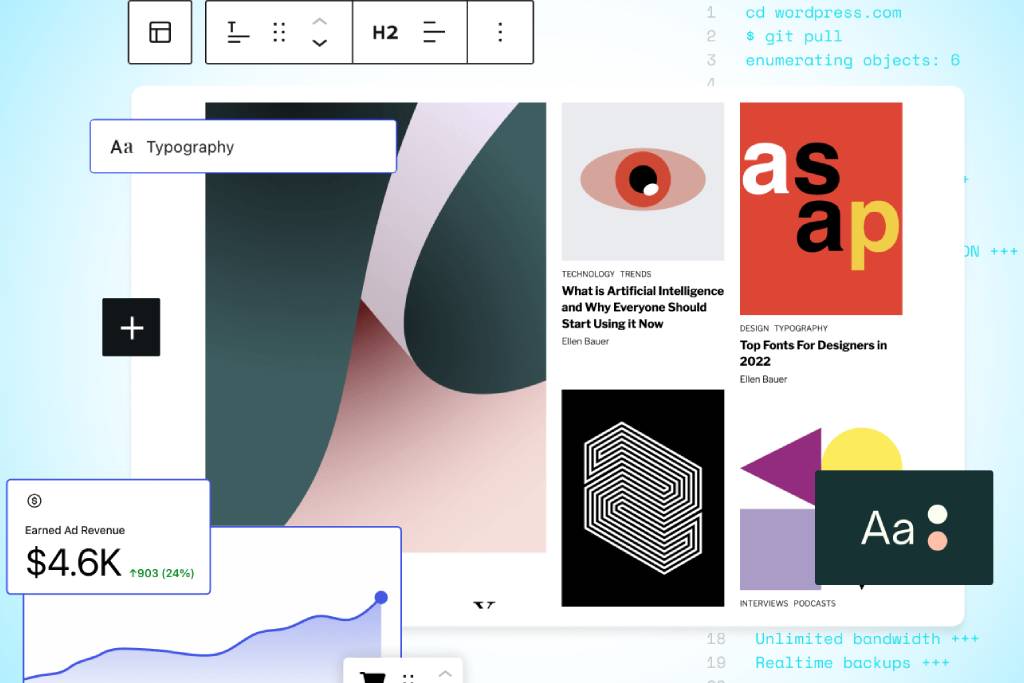
Wordpress Website CMS

Step 4: Install WordPress


With your domain and hosting connected, it’s time to bring your website to life with WordPress—the platform that powers 40% of all websites online.

Depending on your tech comfort level, you’ve got two routes:

Option 1: Use the One-Click WordPress Installer (Beginner Friendly)

Most good hosts like InMotion and HostGator come with a tool called Softaculous or a custom one-click installer. Here’s how to use it:

  1. Log in to your hosting account’s cPanel.
  2. Scroll to the Software section and click on Softaculous Apps Installer (or “WordPress Installer”).
  3. Click on WordPress → then hit Install Now.
  4. Fill in a few quick settings:
    • Choose your domain from the dropdown
    • Set your admin username, password, and email
    • Choose a site title and description (can be changed later)
  5. Click Install. That’s it!

In a few seconds, you’ll get a link to your WordPress dashboard (yourdomain.com/wp-admin)—bookmark that for easy access.

Pro Tip:

Use a strong admin username (not “admin”) and a unique password to improve your site’s security right from the start.

Option 2: Manual WordPress Installation (Advanced Users)

For those who want full control or are using a host without a one-click installer:

  1. Download the latest WordPress package from wordpress.com.
  2. Upload it to your web hosting server via FTP (like FileZilla) or File Manager in cPanel.
  3. Create a MySQL database and a database user via cPanel → MySQL Databases.
  4. Rename the wp-config-sample.php file to wp-config.php and fill in your database info.
  5. Visit your domain in the browser to complete the setup process.

Whether you go the easy route or take the manual road, once WordPress is installed—you’re officially a website owner.

Next up: Let’s lock it down and customize it. Ready for Step 5?
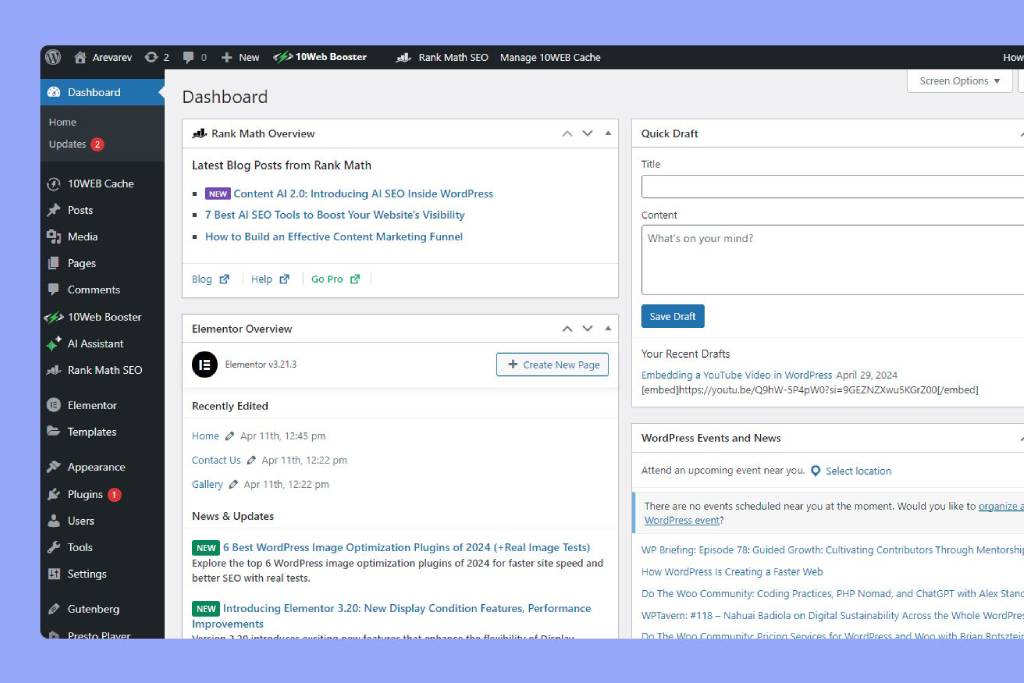
WordPress Website Dashboard

Step 5: Access Your WordPress Dashboard

Once WordPress is installed, your digital control room—aka the WordPress Dashboard—is ready to roll. This is where all the magic happens: editing content, customizing the look, adding plugins, and tweaking settings.

How to Log In to WordPress Website

Head to:
yourdomain.com/wp-admin
Enter the username and password you created during installation.
Hit Log In and boom—you’re inside.

Tip: Bookmark this login page so you don’t have to type it every time.

Quick Tour of the Dashboard

Here’s a beginner-friendly walk-through of the major sections:

  • Dashboard – Your welcome screen with quick stats, shortcuts, and updates.
  • Posts – Where you write and manage blog posts or articles. Use categories and tags to organize them.
  • Pages – Static content like Home, About, Services, or Contact lives here.
  • Appearance – This is your site’s wardrobe. Change themes, tweak the layout with widgets, or build menus here.
  • Plugins – Add extra functionality like contact forms, SEO tools, security, and speed boosters.
  • Users – Add team members or contributors, and assign them roles like Editor or Admin.
  • Settings – Control basics like site title, timezone, permalinks, and more.

Pro Tip:

Spend 15–20 minutes clicking around. You won’t break anything, and it’s the best way to get familiar with your site’s back-end.

Next up: making your website look like a pro designed it—let’s pick a theme!
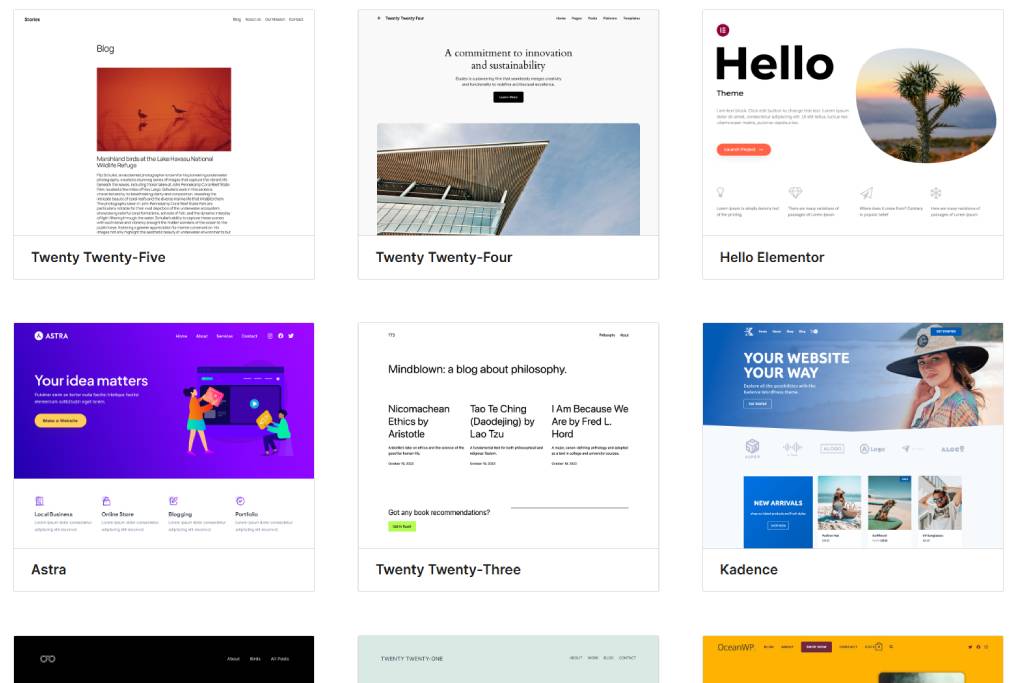
Themes for WordPress website

Step 6: Choose and Install a Theme

Your theme defines the look and feel of your website—everything from layout and fonts to color schemes and header styles. It’s the visual identity of your brand online.

How to Choose the Right Theme

When picking a theme, keep the following in mind:

  • Responsiveness: It must look great on mobile, tablet, and desktop.
  • Speed & Performance: A bloated theme slows down your site and kills SEO.
  • Customization Options: Look for themes that support the WordPress Customizer or full site editing.
  • Plugin Compatibility: Make sure it plays well with popular plugins like Elementor, WooCommerce, and Yoast SEO.
  • Support & Updates: Choose a theme that’s actively maintained and comes with reliable support.

Free vs Premium Themes

  • Free Themes (via WordPress directory): Great for simple blogs or starter websites. Popular ones include Astra, Kadence, and Hello Elementor.
  • Premium Themes (via Envato Market or ThemeForest): Ideal for more customization, advanced design, and better support. They often come with bundled plugins and demo content.

👉 Browse Premium Themes on Envato Market

How to Install a Theme

  1. Go to your WordPress dashboard
  2. Navigate to Appearance > Themes
  3. Click Add New
  4. Browse or upload a theme .zip file
  5. Click Install, then Activate

Boom! Your website just got a style upgrade.

Up Next: Essential plugins that give your site superpowers—security, performance, contact forms, and more.

Step 7: Customize Your WordPress Website

Once your theme is active, it’s time to make your website uniquely yours. This is where you shape your brand’s first impression and bring your vision to life.

What You Can Customize

  • Logo: Upload a custom logo that reflects your brand identity. If you don’t have one yet… Design a Stunning Logo with Placeit — Choose from thousands of logo templates tailored for every niche. No design skills needed. [Check it Out]
  • Colors & Fonts: Head to Appearance > Customize or Theme Settings to change your site’s color palette and typography. Stick to 2–3 brand colors and legible fonts to maintain visual harmony.
  • Homepage Layout: Some themes come with homepage templates or use block/page builders like Elementor. You can rearrange sections, add call-to-actions, and highlight your key services or products.
  • Menus: Go to Appearance > Menus to create your site’s navigation. Add links to Home, About, Services, Contact, Blog, etc.
  • Widgets: Customize your sidebar or footer areas using widgets—like recent posts, social links, or newsletter signups.

Pro Tip:

Your homepage is prime digital real estate. Use it to clearly explain who you are, what you offer, and how people can connect with or buy from you.

Step 8: Install Must-Have Plugins

Plugins extend the functionality of your WordPress website—whether it’s boosting security, improving performance, or helping with SEO. Here are the essential plugins you should install right after setting up your website:

Security Essentials

1. Wordfence Security

A robust firewall and malware scanner that protects your site from hacks and malicious traffic. It also includes login security features and real-time threat detection.

2. AntiClickjackit

Prevents clickjacking attacks by ensuring your wordpress website cannot be embedded in a hidden frame—an important layer of security.

3. Disable XML-RPC

Disables the legacy XML-RPC feature in WordPress that is often targeted in brute-force attacks. Most modern sites don’t need this enabled.

4. Limit Login Attempts Reloaded

Adds a simple but effective way to limit failed login attempts, protecting your site from brute-force attacks.

5. Really Simple SSL

Automatically detects and configures your SSL certificate. Especially useful if your hosting doesn’t auto-enable HTTPS by default.

Performance and SEO

Rank Math SEO

An all-in-one SEO plugin offering real-time page optimization, schema markup, and integration with Google Search Console and Analytics.

WP Super Cache or LiteSpeed Cache

Both improve page load times by caching your content. WP Super Cache is suitable for most servers, while LiteSpeed Cache is optimized for LiteSpeed servers.

ShortPixel or Smush

Compresses and optimizes images without sacrificing quality. Faster images improve your loading speed and SEO rankings.

Functionality

WPForms

A drag-and-drop form builder that’s beginner-friendly yet powerful. Ideal for creating contact forms, feedback forms, and more.

Elementor

A visual page builder that lets you create custom layouts and designs without touching code. Perfect for crafting professional-looking pages quickly.

UpdraftPlus

Reliable backup plugin that lets you schedule automatic backups and store them offsite on Google Drive, Dropbox, or other cloud services.

These plugins form the foundation of a well-functioning, secure, and optimized WordPress website. Avoid installing unnecessary plugins to keep your site lean and fast.
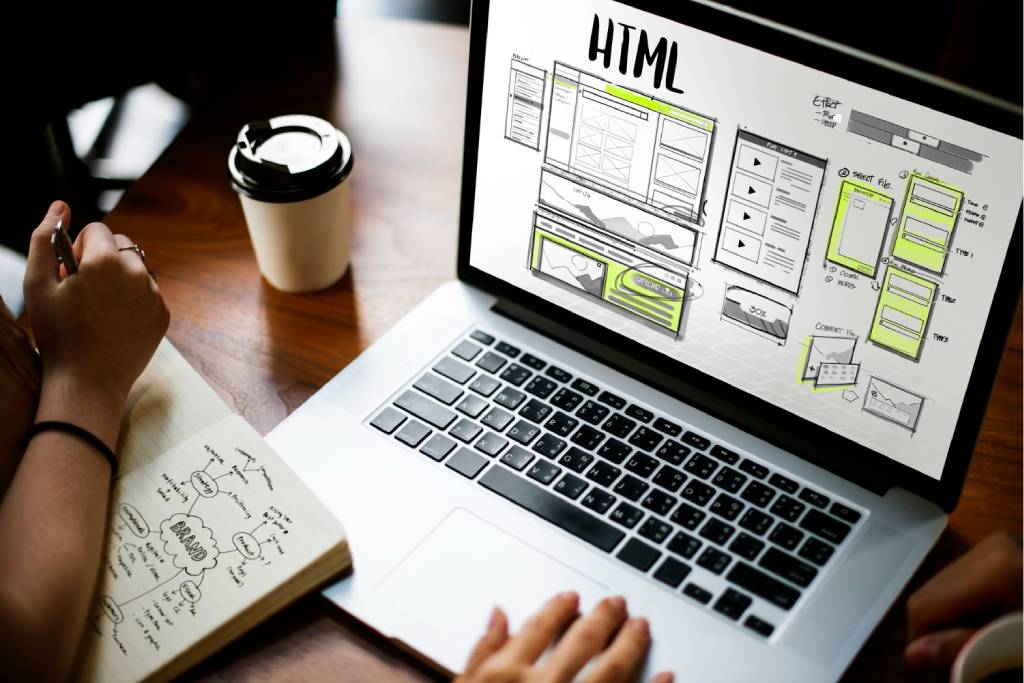
website architecture

IMAGE CREDITS: FREEPIK

Step 9: Create Core Pages

Your website needs more than just a homepage. Building a strong foundation with essential pages will help visitors understand who you are, what you offer, and how to reach you.

Here are the core pages every professional website should include:
Home Page

  • Purpose: It’s your first impression. Clearly explain what you do and why visitors should care within the first few seconds.
  • Tips:
    • Add a bold headline that describes your service or value proposition.
    • Include a call-to-action (CTA) button like “Get a Quote” or “Contact Us.”
    • Use eye-catching visuals or hero banners.
    • Mention key services or benefits briefly.

About Page

  • Purpose: Share your story, build trust, and humanize your brand.
  • Tips:
    • Talk about your mission, journey, and who’s behind the brand.
    • Include team photos or founder info.
    • End with a soft CTA like “Let’s work together” or “See our services.”

Contact Page

  • Purpose: Make it easy for visitors to reach you.
  • Must-Haves:
    • Contact form (built with WPForms or similar)
    • Email address and phone number
    • Physical address (if applicable)
    • Google Map embed (optional)
    • Social media links

Services or Products Page

  • Purpose: Clearly list what you offer.
  • Tips:
    • Break down each service with a short description.
    • Use icons or images for visual appeal.
    • Include pricing or a CTA like “Book Now” or “Learn More.”

Privacy Policy Page

  • Purpose: It’s legally required, especially if you collect form entries or use analytics.
  • Tips:
    • Use a privacy policy generator or plugin to save time.
    • Link to this page in your website footer.

Bonus Pages (Optional but Useful)

  • Blog – Helps with SEO and content marketing.
  • FAQ – Reduces repetitive customer inquiries.
  • Testimonials – Adds social proof and builds credibility.
  • Portfolio or Case Studies – Show off past work or client wins.

Layout Tips Across All Pages:

  • Keep sections clean and content skimmable.
  • Use clear headings, bullet points, and white space.
  • Use Elementor (or Gutenberg blocks) to arrange sections visually.
  • Ensure all pages are mobile-friendly.
Search Engine Optimisation for WordPress Website

IMAGE CREDITS: FREEPIK

Step 10: Optimize for SEO & Speed

A well-designed site means nothing if nobody can find it or if it loads slowly. That’s why optimizing your WordPress website for SEO (Search Engine Optimization) and speed is crucial. This step improves both your visibility on Google and the overall user experience.

On-Page SEO Basics

These are the must-do actions on each page and blog post to help search engines understand your content:

  • Use relevant keywords naturally in the:
    • Page title
    • First paragraph
    • Headings (H1, H2, H3)
    • Image alt text
    • Meta description
  • Install Rank Math SEO or Yoast SEO plugin to:
    • Set custom page titles and meta descriptions
    • Create an XML sitemap
    • Add schema markup for rich results
    • Analyze on-page SEO for improvement tips
  • Use SEO-friendly URLs (e.g., yoursite.com/seo-tips instead of yoursite.com/?p=123)
  • Link internally between related pages or blog posts
  • Write unique content — avoid copy-pasting from other sites

Speed Optimization Tips

Site speed affects both search rankings and visitor retention. Here’s how to keep your website lightweight and fast:

  • Install a caching plugin like:
    • WP Super Cache (simple and effective)
    • LiteSpeed Cache (best if your hosting supports it)
  • Enable lazy loading for images and videos — most caching plugins offer this setting
  • Use compressed, web-optimized images with tools like ShortPixel or Smush
  • Minify CSS, JavaScript, and HTML using your caching plugin’s advanced settings
  • Use a fast, lightweight theme (e.g., Astra or GeneratePress)

Get SEO-Optimized Images

High-quality images make your website look professional — but large files can slow it down. Get the best of both worlds:

Use SEO-friendly, high-quality stock images from iStock.
Their optimized files are perfect for WordPress websites that need speed and style.

Pro Tip:

After optimizing, test your site using tools like Google PageSpeed Insights or GTmetrix to identify performance issues.

Step 11: Launch Your WordPress Website

You’ve built your website, customized the design, installed essential plugins, and created your key pages. Now it’s time for the big moment — going live! But before you hit that “Publish” button and start sharing your site with the world, let’s walk through a quick pre-launch checklist and the crucial steps that ensure your website is visible to search engines and ready to welcome visitors.

Pre-Launch Checklist

Before launching, make sure the following items are in place:

  • All core pages are completed: Ensure your Home, About, Contact, Services, and Privacy Policy pages are live and proofread.
  • Responsive design: Test your website on different screen sizes — mobile, tablet, and desktop — to make sure it looks great everywhere.
  • Test forms and links: Submit test messages through your contact form, and click all navigation/menu links to verify nothing is broken.
  • Install a favicon: Add a small icon (your brand logo) that shows in the browser tab.
  • Check for typos: Do one last proofreading pass.
  • SEO basics covered: Use your SEO plugin (like Rank Math or Yoast) to optimize page titles, meta descriptions, and keywords.
  • 404 page exists: Make sure a helpful “Page Not Found” (404) page is in place, in case visitors land on an invalid URL.

Submit Your WordPress Website to Google Search Console

Once everything looks good, the first thing you should do post-launch is tell Google your website exists.

Why it’s important:
Google Search Console helps your site get indexed faster and gives you visibility into how it performs in search results.

Here’s how to do it:

  1. Go to Google Search Console.
  2. Sign in using your Google account.
  3. Click “Add Property” and enter your domain.
  4. Choose the Domain or URL Prefix method and verify ownership. Domain verification requires DNS changes (can be done via your domain host); URL Prefix can be verified with an HTML file or meta tag.
  5. Once verified, submit your sitemap. If you’re using WordPress with Rank Math, your sitemap URL will likely be:
    yourdomain.com/sitemap_index.xml

That’s it — now Google knows where to find your website!

Set Up Google Analytics

Tracking how users interact with your website is crucial if you want to grow. Google Analytics gives you data on traffic, bounce rates, time on site, user demographics, and more.

Steps to install Google Analytics:

  1. Go to Google Analytics.
  2. Set up a new account and choose your website as the property type.
  3. After setup, you’ll receive a tracking ID or Google Tag.
  4. Use a plugin like Site Kit by Google or Insert Headers and Footers to add the tracking code to your WordPress site.
    • Site Kit is easier for beginners, and it also connects Search Console, PageSpeed Insights, and AdSense in one dashboard.
  5. Confirm that your tracking is working by visiting your website and checking Real-Time data in Analytics.

Pro Tip:

You don’t need a huge audience to start collecting insights. Even if you’re only getting a few visitors, data helps you improve your site experience and track what content works best.

Step 12: Promote & Maintain

Launching your WordPress website is just the beginning — now comes the real work: bringing people to your site and keeping everything running smoothly. Step 12 focuses on two key areas: promoting your website so it reaches your target audience, and maintaining it to ensure it remains secure, fast, and functional over time.

Promote Your Website

You’ve built a great website — now you need people to find it. Use these simple but effective methods to promote your site:

  • Social Media Marketing: Share your website link on platforms like Instagram, Facebook, X (Twitter), LinkedIn, and YouTube. Create engaging posts that direct traffic back to your homepage or blog.
  • Start a Blog: Blogging is a great way to rank on Google, educate your audience, and keep your site fresh. Use SEO-friendly content to attract organic visitors over time.
  • Email Newsletters: Add an email signup form and start building a list. Share updates, offers, or your latest blog posts to keep your visitors engaged and returning.

Pro Tip:

Be consistent. Even a simple weekly blog post or a few social posts per week can create steady growth in traffic.

Maintain Your Website Regularly

Just like a vehicle, your website needs regular maintenance. Ignoring updates or backups can make it vulnerable to security threats or performance issues.

Here’s your ongoing website maintenance checklist:

  • Update Plugins and Themes: Outdated plugins are one of the most common reasons WordPress sites break or get hacked. Update everything at least once a month.
  • Schedule Backups: Use plugins like UpdraftPlus or Jetpack to schedule automatic backups. Store backups on cloud storage (like Google Drive or Dropbox) so you’re covered in case of emergency.
  • Run Security Scans: Use security plugins like Wordfence or Sucuri to scan for malware, block suspicious login attempts, and get alerts on potential threats.
  • Monitor Performance: Check your site speed using tools like Google PageSpeed Insights or GTmetrix, and optimize images or hosting settings if needed.

Want a Worry-Free Experience? Upgrade to Webto’s Maintenance Plan

If you’d rather not deal with technical stuff, you can sign up for Webto’s Annual Maintenance Plan. We’ll handle everything from plugin updates and backups to security scans and performance optimization — so you can focus entirely on your business or content.

Included in the plan:

  • Regular WordPress/core/plugin updates
  • Daily or weekly automated backups
  • Uptime monitoring
  • Monthly performance and security checks
  • Priority support for minor tweaks and fixes

Contact us to learn more and get started
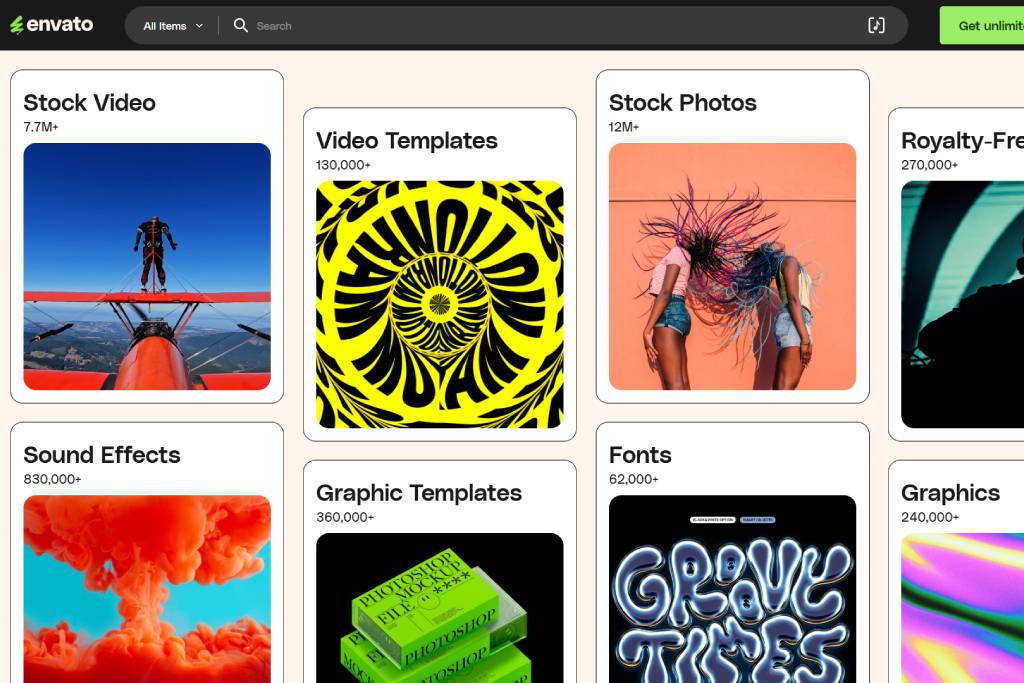
14. Bonus: Design Tools to Elevate Your Site

Building a WordPress website is only part of the journey — the visual polish is what sets great sites apart. To make your site look professional and on-brand, you don’t need to be a designer. These tools can help you create stunning visuals in minutes:

Use Placeit by Envato for:

  • Logo Design: Make a professional logo even if you’re starting from scratch.
  • Social Media Templates: Quickly design banners and promo graphics that match your brand.
  • Device Mockups: Showcase your website or app on phones, tablets, and laptops in realistic settings.

CHEKCOUT ENVATO

Whether you’re creating a hero image, YouTube thumbnail, or social media promo, Placeit offers a massive template library and an easy drag-and-drop interface.

Use Canva for:

  • Blog Post Graphics: Make clean, readable images to break up long content.
  • Infographics: Explain your services, timelines, or pricing in a visual way.
  • PDFs & Lead Magnets: Create downloadable freebies to grow your email list.

Both tools are beginner-friendly and offer free tiers — perfect for small business owners or solo creators.

15. Conclusion

And that’s it — your complete guide to building a WordPress website from scratch! Let’s quickly recap what you’ve accomplished:

  • Picked the right domain and hosting
  • Installed WordPress and selected a theme
  • Customized your design and added key pages
  • Set up SEO, analytics, and security
  • Launched your site with confidence
  • Learned how to promote and maintain it like a pro

Feeling overwhelmed? Don’t worry — building your first site solo can feel intimidating, but it’s absolutely doable with the right steps. Start small, stay consistent, and improve as you go.

💡 Or let Webto take care of it all for you. If you’d rather focus on your business and skip the tech hassle, we’ll build and maintain your site professionally — just the way you want it.

👉 Contact Webto to Get Started →

Your dream website is only a few clicks away. Let’s build something amazing.

Note: This article contains affiliate links that help us maintain the website.

Leave a Reply

Your email address will not be published. Required fields are marked *