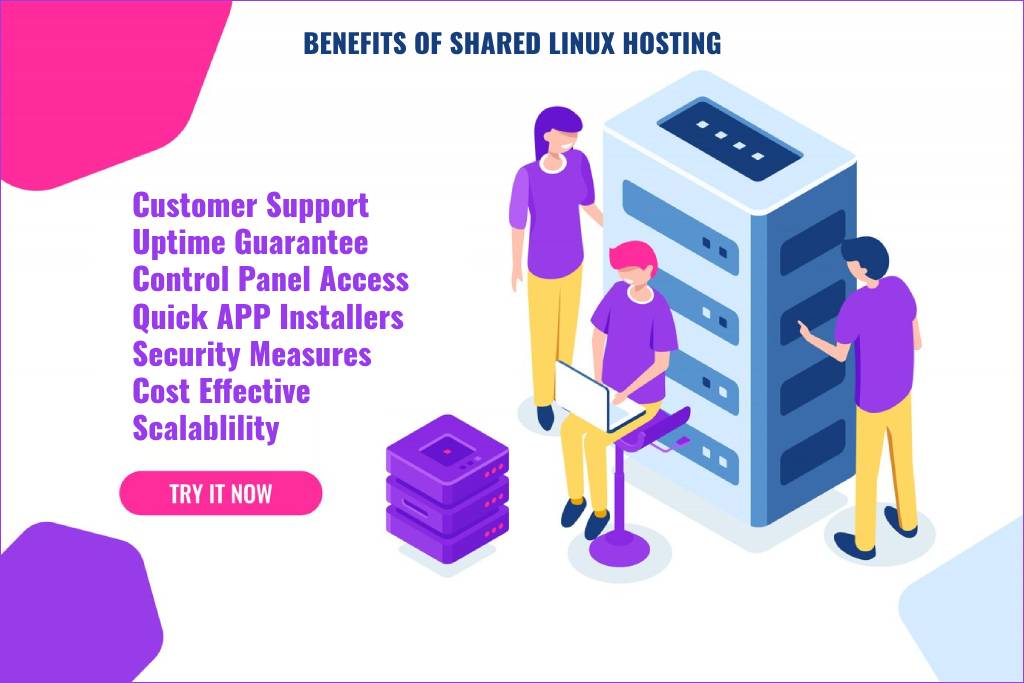
In today’s digital landscape, establishing an online presence is crucial for businesses of all sizes. For small to medium-sized enterprises (SMEs), selecting the right hosting solution is a pivotal decision that can impact website performance, security, and scalability. Shared Linux Hosting emerges as a popular choice, offering a balance between affordability and functionality.
What is Shared Linux Hosting?
Shared Linux Hosting is a web hosting environment where multiple websites reside on a single server powered by the Linux operating system. Each website shares the server’s resources, including CPU, RAM, and disk space. Linux, being an open-source OS, provides a stable and secure platform, making it a preferred choice for many hosting providers.
Who Should Consider Shared Linux Hosting?
Shared Linux Hosting is ideal for:
Startups and Small Businesses: Startups and small to medium enterprises (SMEs) often operate on lean budgets while still needing a professional online presence. Shared Linux hosting is an ideal choice for such businesses because it offers affordable web hosting solutions without compromising on the basic essentials. With shared plans, you still get features like cPanel access, MySQL databases, one-click CMS installs, and email hosting, which are sufficient for running corporate websites, landing pages, blogs, or even small eCommerce stores. Thanks to modern hosting technology, even budget shared hosting today can handle decent traffic and provide 99.9% uptime and automated backups, which are critical for businesses that can’t afford prolonged website downtime. Many shared Linux hosting plans now also support SSL certificates, malware scanning, and CDN integration, further adding value for small businesses who want performance on a budget.
Personal Blogs and Portfolios: For individual creators, writers, artists, or students who want to build a personal blog or online portfolio, shared Linux hosting is one of the most user-friendly and economical options. You don’t need deep technical knowledge to get started. Most hosting providers offer drag-and-drop website builders, WordPress installation in one click, and easy-to-use control panels that simplify the entire process. It allows users to create a digital space to showcase their work, write articles, or share personal updates, without dealing with the complexities of dedicated servers or VPS. The Linux-based environment is also very stable, secure, and widely supported—making it perfect for WordPress blogging, portfolio websites, or resume pages. Since most personal websites don’t attract high volumes of traffic initially, a shared hosting plan provides more than enough resources—without overpaying for server capabilities that won’t be used.
Developers Testing Applications: Shared Linux hosting also serves as a convenient environment for developers who are in the early stages of building or testing applications. It provides the necessary tech stack—like PHP, MySQL, Python support, and SSH access (in some plans)—allowing developers to simulate real-world deployment environments affordably. While it’s not suitable for high-performance or production-level apps, it’s excellent for staging environments, client previews, and prototype development. Developers can also test how their applications behave in a multi-user environment, which can reveal potential issues with shared resource usage or performance bottlenecks. Moreover, with features like cron jobs, custom error pages, and .htaccess configuration, developers can fine-tune application behavior without needing root access or complex setup.
Key Features to Look for in Shared Linux Hosting
When selecting a Shared Linux Hosting provider, consider the following features:
Customer Support: 24/7 customer support ensures assistance is available whenever needed. A reliable shared Linux hosting provider should offer round-the-clock support via multiple channels like live chat, email, and phone. Whether you’re facing technical issues, need help with server configurations, or have questions about website migration, responsive customer support ensures minimal downtime and quick resolutions.
Uptime Guarantee: Aim for providers offering at least 99.9% uptime to ensure your website remains accessible. High uptime is crucial for businesses and bloggers alike, as any downtime can lead to lost traffic, poor user experience, and even revenue loss. A 99.9% uptime promise, backed by robust server infrastructure and monitoring tools, reflects the host’s commitment to keeping your site live and functional at all times.
Control Panel Access: A user-friendly control panel, like cPanel, simplifies website management tasks. Having access to cPanel enables users to manage domains, subdomains, email accounts, databases, and backups with ease. This intuitive interface makes shared Linux hosting manageable even for beginners, eliminating the need for command-line knowledge while still offering advanced functionality for power users.
One-Click Installers: Features like Softaculous allow easy installation of applications such as WordPress, Joomla, or Drupal. With one-click application installers, users can set up popular CMS platforms or eCommerce tools in seconds without manual file uploads or database configurations. This is especially beneficial for first-time website owners looking for quick deployment with minimal technical hassle.
Security Measures: Look for providers offering SSL certificates, firewalls, and regular malware scans to protect your website. Shared Linux hosting can still be secure when providers implement robust protections such as free SSL encryption, DDoS protection, real-time malware scanning, and isolated user environments. These features help prevent hacking attempts, data breaches, and unauthorized access to your site.
Cost-Effective: Sharing server resources reduces costs, making it an economical choice for SMEs.
Ease of Use: With intuitive control panels and one-click installers, managing your website becomes straightforward.
Scalability: Many providers offer easy upgrade options, allowing your hosting plan to grow with your business.
Open-Source Flexibility: Linux’s open-source nature allows for a wide range of compatible applications and scripts.
Limitations of Shared Linux Hosting
Cost-Effective: Sharing server resources reduces costs, making it an economical choice for SMEs. Shared Linux hosting spreads server expenses across multiple users, significantly lowering individual hosting costs. This makes it an ideal solution for startups and small businesses that need professional web hosting without the financial burden of dedicated or VPS plans.
Ease of Use: With intuitive control panels and one-click installers, managing your website becomes straightforward. Most shared Linux hosting packages come with tools like cPanel and Softaculous, allowing users to easily manage websites, install applications, handle emails, and monitor performance, even with minimal technical knowledge.
Scalability: Many providers offer easy upgrade options, allowing your hosting plan to grow with your business. While starting small, users can scale up to higher-tier shared plans, VPS, or even cloud hosting as traffic and resource demands increase, ensuring that the hosting service evolves in tandem with business growth.
Open-Source Flexibility: Linux’s open-source nature allows for a wide range of compatible applications and scripts. Shared Linux hosting supports a vast ecosystem of open-source tools, frameworks, and CMS platforms, offering developers and site owners the flexibility to customize and optimize their website without restrictive software limitations.
Advancements Making Shared Linux Hosting More Desirable
Technological advancements have enhanced the appeal of Shared Linux Hosting:
Improved Server Management: Modern control panels offer better resource monitoring and management tools. Shared Linux hosting now comes equipped with advanced control panels like cPanel and DirectAdmin, allowing users to track bandwidth usage, disk space, CPU load, and memory in real-time, leading to more efficient website management and quicker issue resolution.
Enhanced Security Protocols: Providers now implement robust security measures, including regular updates and patches. With threats constantly evolving, shared Linux hosting providers actively push OS-level patches, firewall updates, and security enhancements, ensuring user websites stay protected against vulnerabilities and malware attacks.
SSD Storage: The adoption of SSDs has significantly improved website loading times and overall performance. Modern shared Linux hosting plans utilize SSD (Solid State Drive) technology, drastically reducing data retrieval times compared to traditional HDDs, which results in faster site performance, improved SEO rankings, and better user experience.
Cloud Integration: Some shared hosting plans now incorporate cloud technologies, offering better scalability and reliability. Hybrid shared hosting solutions blend traditional hosting with cloud-backed infrastructure, enabling better load distribution, uptime, and resource flexibility—making even shared environments capable of handling moderate traffic spikes smoothly.
Is Shared Linux Hosting Suitable for Large Organizations?
While Shared Linux Hosting offers numerous benefits, it may not be the best fit for large organizations with high-traffic websites or specific compliance requirements. Such entities often require dedicated resources, enhanced security, and greater control over server configurations, which are better provided by VPS or dedicated hosting solutions.
BigRock offers a range of Shared Linux Hosting plans tailored to meet the needs of various users:
1. Starter Plan: Ideal for Beginners and Small Projects
Who It’s For:
Perfect for personal websites, hobby blogs, student portfolios, or early-stage startups that need an affordable yet functional hosting solution to go live without technical headaches.
Plan Highlights:
1 Website: Host a single website, ideal for basic use-cases.
20 GB SSD Disk Space: SSDs offer fast read/write speeds, improving your website performance and load times.
100 GB Data Transfer: Sufficient bandwidth for low to moderate traffic levels.
5 Email Accounts: Set up professional email addresses (like info@yourdomain.com) for communication.
Unlimited Databases: No restrictions on the number of MySQL databases—handy if you’re experimenting with multiple CMS or apps.
Daily Backups*: Automatic backup ensures you can restore your site if anything goes wrong.
Free Let’s Encrypt SSL Certificate: Encrypts your site to protect data and improve SEO ranking.
Why’s This Shared Linux Hosting Plan Great?:
The Starter plan offers an extremely low entry point (₹69/mo*) and is a solid pick for users just testing the waters of the digital space without compromising security or speed.
2. Advanced Plan: Ideal for Growing Websites and Established Bloggers
Who It’s For:
Tailored for growing bloggers, freelancers, consultants, or SMEs that need consistent performance and the flexibility to handle higher traffic volumes.
Plan Highlights:
1 Website: Supports one site with better performance than the Starter plan.
Unmetered Disk Space & Data Transfer: No caps on storage or bandwidth, giving your site room to grow.
Unlimited Email Accounts: Add as many domain-specific emails as your team needs.
Unlimited Databases: Handle multiple databases for diverse web applications.
Daily Backups*: Your website is backed up every day, keeping your data safe and easily restorable.
Free Let’s Encrypt SSL Certificate: Helps with site trust and better Google rankings.
Free Domain for 1 Year: Establish your brand with a custom domain at no extra cost.
Why’s This Shared Linux Hosting Plan Great?:
At ₹159/mo*, this plan offers excellent value for websites that are scaling steadily and need more bandwidth, flexibility, and a professional appearance with a free domain.
3. Pro Plan: Suited for Established Organizations and High-Traffic Websites
Who It’s For:
Recommended for agencies, eCommerce sites, and businesses running multiple projects that need high uptime, more power, and reliability.
Plan Highlights:
Unlimited Websites: Manage multiple domains and client sites from one hosting account.
Unmetered Disk Space & Transfer: Freedom to scale up without worrying about running out of resources.
Unlimited Email Accounts: Perfect for growing teams and departments.
Unlimited Databases: Supports complex applications and diverse platforms.
Daily Backups*: Peace of mind with automatic site backups.